

 wellnessfitpro
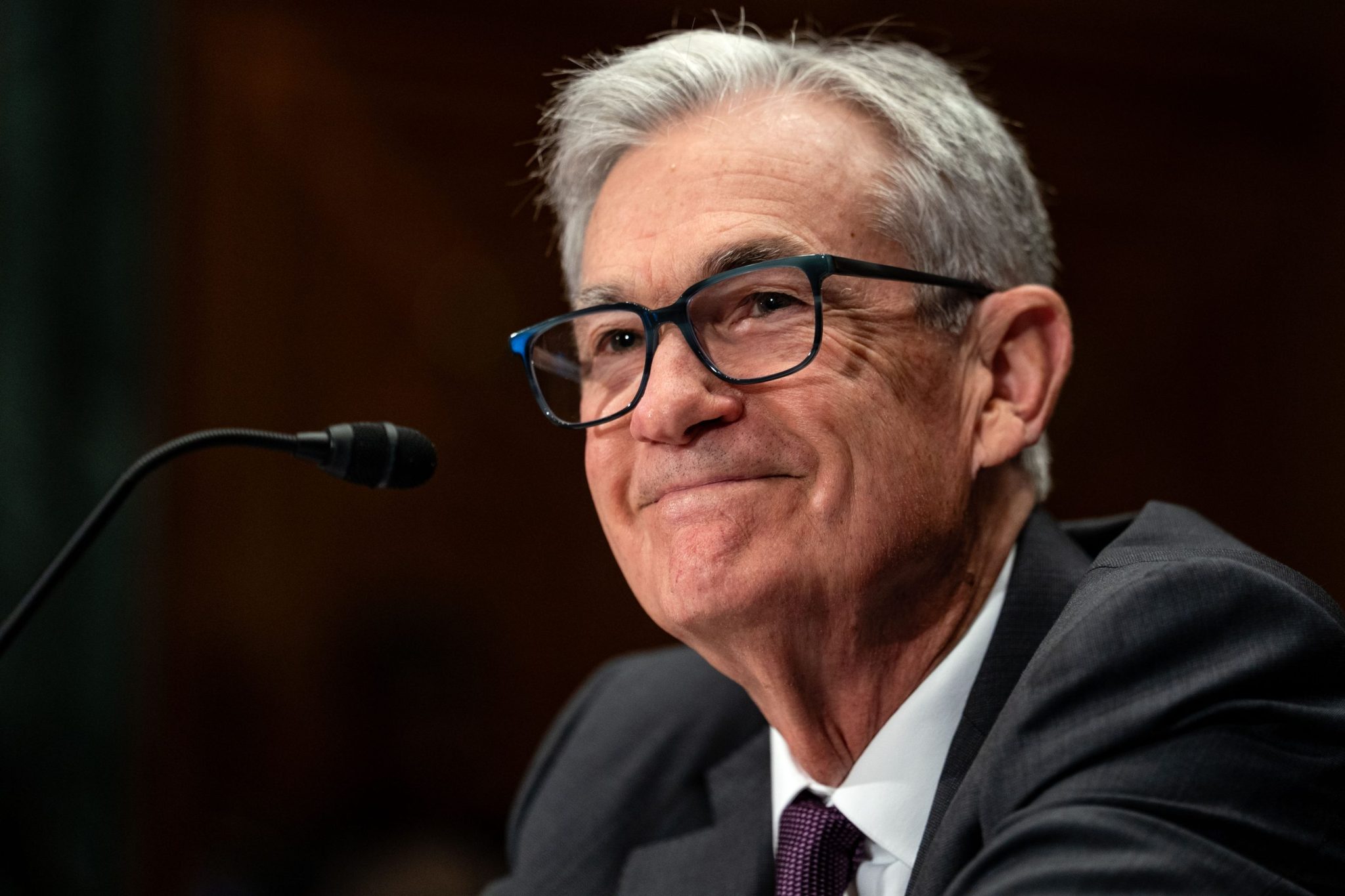
If 2025 was the year of the labor market’s long winter, January provided the first thaw—along with a bit of a victory lap for outgoing Federal Reserve Chair Jerome Powell.
U.S. employers added 130,000 jobs in January, roughly double economists’ expectations and the strongest headline print in months, offering an unexpectedly upbeat start to a year that made Maria Bartiromo exclaim “Wow,” on Fox Business.
Health care alone added 82,000 jobs in January, while social assistance contributed another 42,000. Construction chipped in 33,000. At the same time, federal government employment fell by 34,000 and financial activities shed 22,000 jobs. And for the first time in months, there were signs of life beyond the usual defensive sectors. Manufacturing posted an upside surprise, hinting that hiring may be stabilizing in parts of the economy that had struggled through much of 2025.
The report provides vindication for economists like Torsten Slok, who have stayed bullish despite widespread pessimism. He predicted earlier this month that the U.S. economy is “about to take off,” thanks to reindustrialization and a floor set by AI capital expenditure, while arguing that tremors such as the selloff in tech stocks are not a macro problem in terms of economic growth.
An unwelcome surprise for some
The unemployment rate ticked down to 4.3%, and wage growth held steady. However, for markets that had been eager for near-term Federal Reserve rate cuts, the report landed as an unwelcome surprise.
“The data is not aligned with any near-term rate cuts,” RSM chief economist Joseph Brusuelas wrote on X shortly after the release.
The beat stood out in part because expectations had been so low after a stalling labor market grew more dire as the year dragged on. Indeed, after annual revisions, payroll growth averaged just 15,000 jobs per month in 2025, anemic by any historical standard outside a recession.
The revisions themselves were also less dramatic than many investors had feared, though the Bureau of Labor Statistics did mark down last year’s employment totals, the adjustments were not as severe as some forecasts had suggested. Combined with January’s stronger-than-expected gain, the report left the labor market looking soft, still, but not collapsing.
“Markets may have been expecting a downshift in today’s numbers after last week’s soft data, but the jobs market hit the gas pedal instead,” said Chris Zaccarelli, chief investment officer at Northlight Asset Management. The stronger employment data, he added, was “vindication for Chair Powell’s holding pattern.”
Still, the details show a job market that is improving, without necessarily broadening.
Economist Justin Wolfers noted that recent job growth has been almost entirely concentrated in private education and health services.
“Last month, growth in private education and health services accounted for +137k of +130k jobs added,” he wrote on X, adding that the sector has accounted for nearly all employment gains over the past year. Still, he said “this is the healthiest jobs report we’ve seen in a while.” Taken together, January’s data is starting to look “reasonably strong across the board,” Wolfers said.
A labor market stabilizing?
Wages and hours also pointed to stability rather than stress. Average hourly earnings rose 0.4% in January and are up 3.7% from a year earlier, while the average workweek edged up to 34.3 hours. The unemployment rate dipped slightly instead of rising, and there were no clear signs of a broad pickup in layoffs.
Jeff Schulze, head of economic and market strategy at ClearBridge Investments, wrote in a note that the report bodes well for consumer spending, adding that combined weekly payrolls—a proxy for economy-wide income—have risen nearly 5% over the past year. Still, he warned that January data can be distorted by seasonal factors and methodological changes, including updates to the BLS birth-death model, which “take a bit of the shine off of today’s release.”
Traders are now assigning a 94% probability of the Fed keeping rates steady at the next meeting in March, whereas before they had priced in a roughly 20% chance of a cut.
Economists and analysts will now look to the CPI report on Friday, unusually close to the jobs report because of government-shutdown related delays. If inflation comes in hotter than expected, it would further undercut the case for near-term rate cuts and leave the Federal Reserve in an increasingly awkward position.
Fed Chair Jerome Powell has spent months trying to balance a cooling labor market against lingering price pressures, arguing that the central bank needs clearer evidence that inflation is sustainably moving toward its 2% target before easing policy further. But that data-dependent approach has collided with mounting political pressure from President Donald Trump, who has repeatedly called for lower interest rates and pressured the Fed to deliver them.
Trump’s campaign has already reshaped the Fed’s leadership, as he has announced that former Fed governor Kevin Warsh will replace Powell when Powell’s term expires in June, and he has publicly criticized the central bank’s decisions, at times questioning the credibility of its economic data. That backdrop has raised the stakes for every major release, especially ones that complicate the case for cuts.
Still, policymakers may not be ready to declare the labor market re-tightened. “The labor market is showing some tentative signs of re-tightening, although there remains a way to go,” said Kay Haigh of Goldman Sachs Asset Management. “The FOMC’s gaze instead will turn to the inflation picture with the economy continuing to perform above expectations.” She added that the firm still expects two rate cuts this year, though a hotter-than-expected inflation reading could push the Fed in a more hawkish direction.
For now, January’s report looks like a solid break in the gloom, if not the beginning of a boom.
Economybond yields,Bonds,Donald Trump,Fed,Federal Reserve,Gen Z,Inflation,jerome powell,Jobs,U.S. jobs report#Nightmarish #labor #market #finally #shows #signs #letting #upand #vindication #Jerome #Powell1770826128

