

 wellnessfitpro
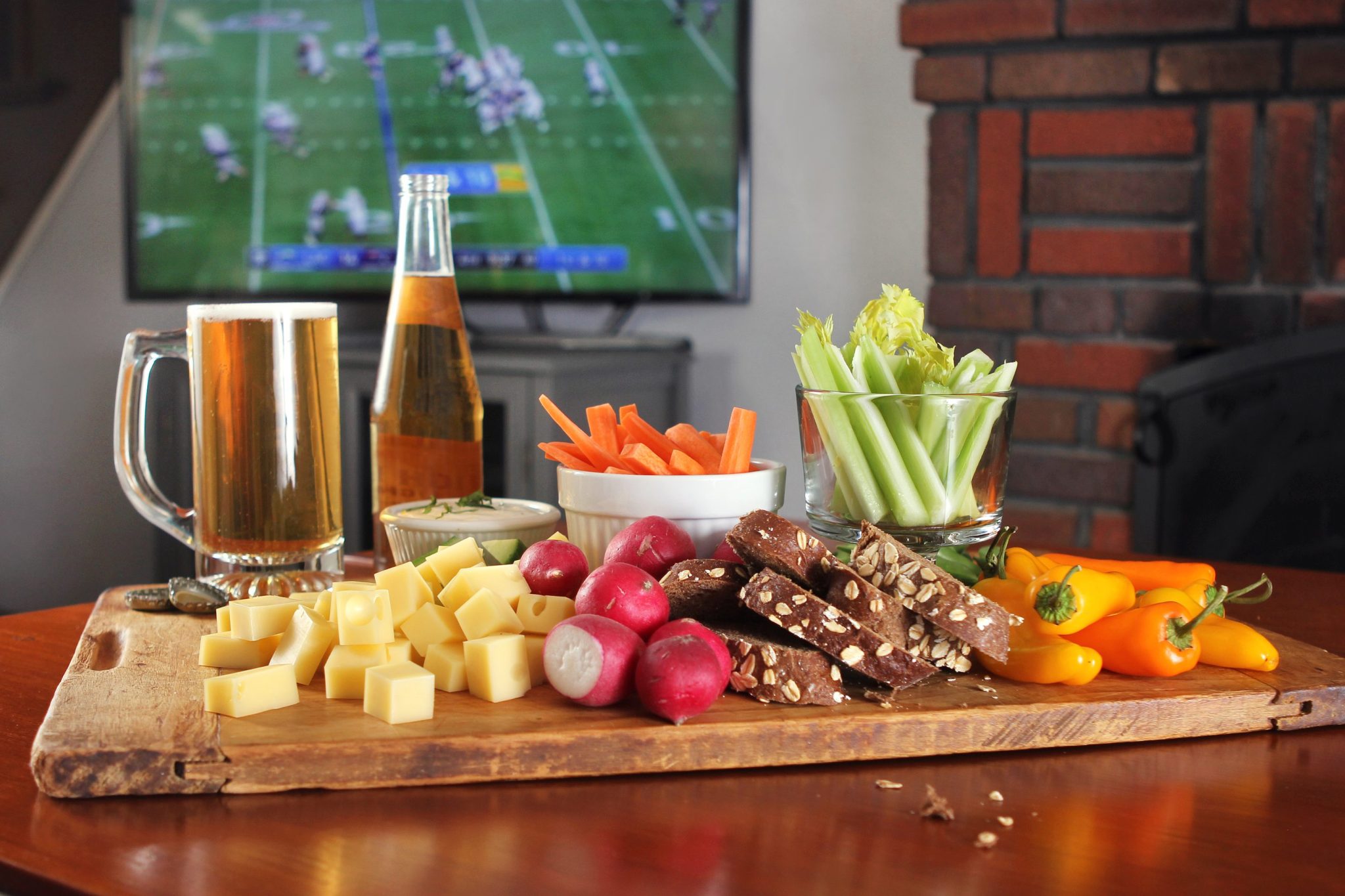
As football fans prepare for the biggest Sunday of the year, hosts can breathe a sigh of relief regarding the menu. According to the Wells Fargo Agri-Food Institute, hosting a Super Bowl party in 2026 will cost approximately $140 for a group of 10 hungry and thirsty fans. While this represents a slight price increase year-over-year, it’s, relatively speaking, a great deal this year, even if it may not feel like it.
The total price tag of $140 is up only slightly from last year’s cost of $138, representing a modest 1.6% increase. When placed in the context of the broader economy, this price stability is a win for consumers. The report notes the Consumer Price Index (CPI) for food at home is sitting at 2.4%, meaning the cost of a Super Bowl party is rising slower than the average grocery bill. Furthermore, average hourly wages have risen 3.8% to $31.99, providing hosts with increased purchasing power to celebrate without breaking the bank. Still, it may be cold comfort to Americans who have dealt with years of price increases.
“It’s really hard for most Americans to remember what they put in their shopping cart,” Wells Fargo agricultural economist Michael Swanson told Fortune. “And so that checkout receipt is always kind of a random surprise for them, depending on what’s in it. So, I think they’ll have to think about it before they’re happy about it.”
In other words, you may have sticker shock while shopping for your big game guests, but he thinks there’s a ton of value when it comes to party snacks—especially when it comes to chicken wings and Mexican food.
“I mean, if you can’t get excited about a big plate of chicken wings and cheesy nachos with guacamole,” Swanson said, “I don’t know what’s going to make you happy.”
The all-star: chicken wings
The real MVP of the 2026 menu is the chicken wing. Retail prices for fresh wings have dropped 2.8% year-over-year to an average of $3.47 per pound. Wells Fargo identifies wings as a “smart play” for hosts, attributing the price drop to U.S. broiler producers increasing production by 2.2% thanks to lower feed costs.
Calculating based on hourly wages and retail prices for protein, Swanson said you can buy roughly 12.6 pounds of chicken for one hour’s work, while you can buy just 3.34 pounds of beef. Chicken is now offering the best affordability Wells Fargo has ever seen in its database, Swanson added, while beef has the same value as in 2015.
The poultry price, the economist added, hasn’t spiked since the Ukraine war broke out in 2023, which sent corn and soybean prices (the chicken feed) through the roof. Last year, though, “we had a monster crop” with 17 billion bushels of corn, Swanson added.
“They can really produce chicken really, really cheaply,” he said. “This huge corn crop, the largest in history, is helping on the Mexican chips-and-dip side, too, pushing tortilla chip prices down by 0.7%. Similarly, strong supply from Mexico has dropped avocado prices by 2.4%.
Super Bowl inflation is running below the CPI in general because it’s not “beef-centric,” and it fits into what Swanson has learned over more than 20 years (including six editions of the Super Bowl report) about the American taste palate: convenient and tasty.
“[For] Americans, it has to be convenient, they don’t want to do a lot of prep, a lot of cleanup,” he said. “And if it’s not tasty, it’s not on the menu.”
Fortunately, the “snack attack” portion of the menu is helping to hold the line on total costs. A massive U.S. corn crop—the largest in history—has helped push tortilla chip prices down by 0.7%. Similarly, strong supply from Mexico has dropped avocado prices by 2.4%, setting the stage for an affordable “chips-and-guac touchdown.” Frozen pizza prices also dipped 0.6% due to better ingredient efficiencies.
The New England and Seattle theme
When asked about this editor’s choice of a themed Super Bowl party along regional lines, with clam chowder for the New England Patriots and teriyaki for the Seattle Seahawks, Swanson immediately responded he thinks the teriyaki chicken is “going to be a great deal.” The soup, on the other hand, depends.
“There’s not a lot of clams in clam chowder. A lot of potato, a lot of cream, some corn,” he said. “Depends on how aggressive you get on your weighting on the clams there.”
Swanson highlighted the most surprising food spike in his Wells Fargo research: shrimp prices, which have jumped 8.1% to $9.10 per pound. This spike, a bit higher than Swanson expected, is due to a global surplus fading and import levels returning to normal. Steer clear of the shrimp cocktail and ceviche, Swanson advised, which may be difficult, since shrimp and salmon account for roughly 80% of all seafood consumption in this country. And that being said, shrimp is still cheaper per pound than beef.
The defensive line: veggies and dips
While the main proteins offer a mixed bag of savings and splurges, the vegetable platter is seeing noticeable price hikes. Broccoli and cauliflower prices are up 4%, celery up 2.6%, and cherry tomatoes up 2%, the result of tighter supplies and strong demand pushing costs back toward long-term averages, erasing the savings consumers saw from last year’s bumper crops.
Dips are also commanding a higher price. Salsa prices have risen 1.7% and onion-flavored dips are up 1.5%. Unlike the supply-and-demand fluctuations of raw produce, these increases are driven by labor. Manufacturing wages in the food sector are up about 4%, creating higher costs for processed items that rely on workers to get products from the factory to the table.
The future of Super Bowl snacking
Looking forward, Swanson said chicken will stay atop its roost as a key Super Bowl food, citing the impact of GLP-1 drugs and the related protein craze as key factors driving food consumption, or lack thereof.
“I’ve seen so many diets come and go, you know, that were kind of like fads. But GLP-1s are not a fad,” he said. “That’s actually going to change how we eat in a big, big way, favoring some, hurting others.”
As these weight-loss drugs get prescribed more often, and as they become available in pill form, that’s where Swanson said a “really big change” is being more deeply felt eery year.
The Wells Fargo economist highlighted an “incredible boom” in all things protein, particularly whey protein and milk protein concentrates. The food manufacturers “just can’t keep up,” because so many consumers are demanding high protein content on food labels. Those ingredients have been excellent formulations to get into protein bars and drinks, he explained.
“Once the industry decides they’re all in on [protein], you’re going to see a huge push on it,” he predicted. “And it fits well with the diet … tasty, convenient, all those things that Americans just check the box.”
Swanson said the food industry is being “very conscientious” about the research on the protein craze in terms of what it means for their products and future consumption habits.
“You know, there, there’s an old saying: If you’re not at the table, you’re on the menu,” he said.
Arts & EntertainmentFood and drink,Inflation,protein,Super Bowl,Wells Fargo#Super #Bowl #party #beat #inflation #Wells #Fargo1770395323

