

 wellnessfitpro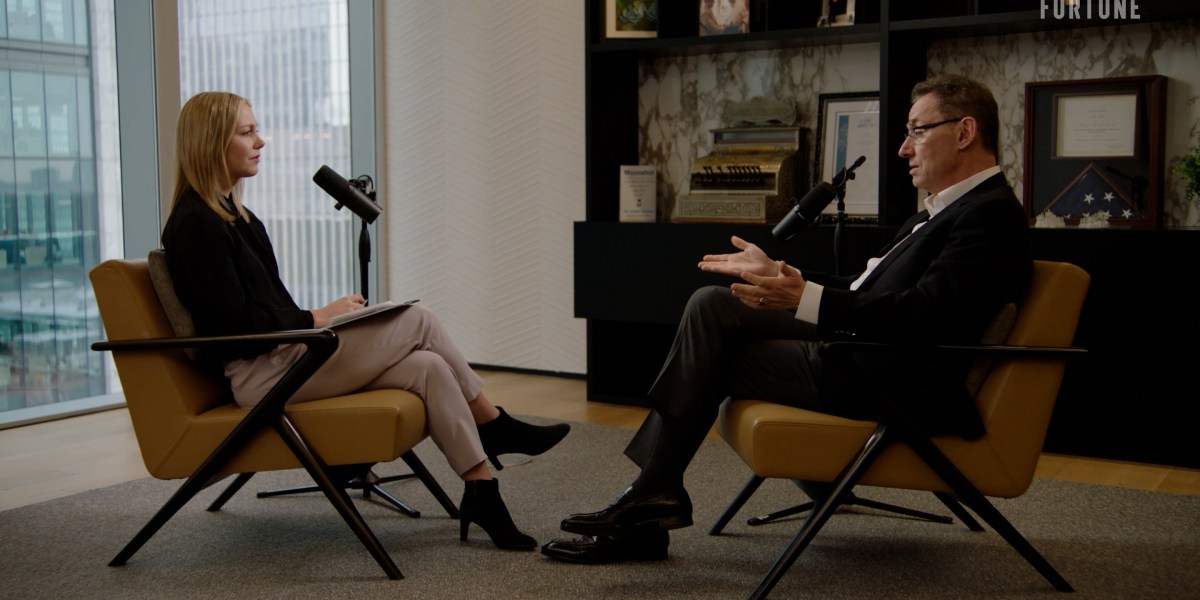
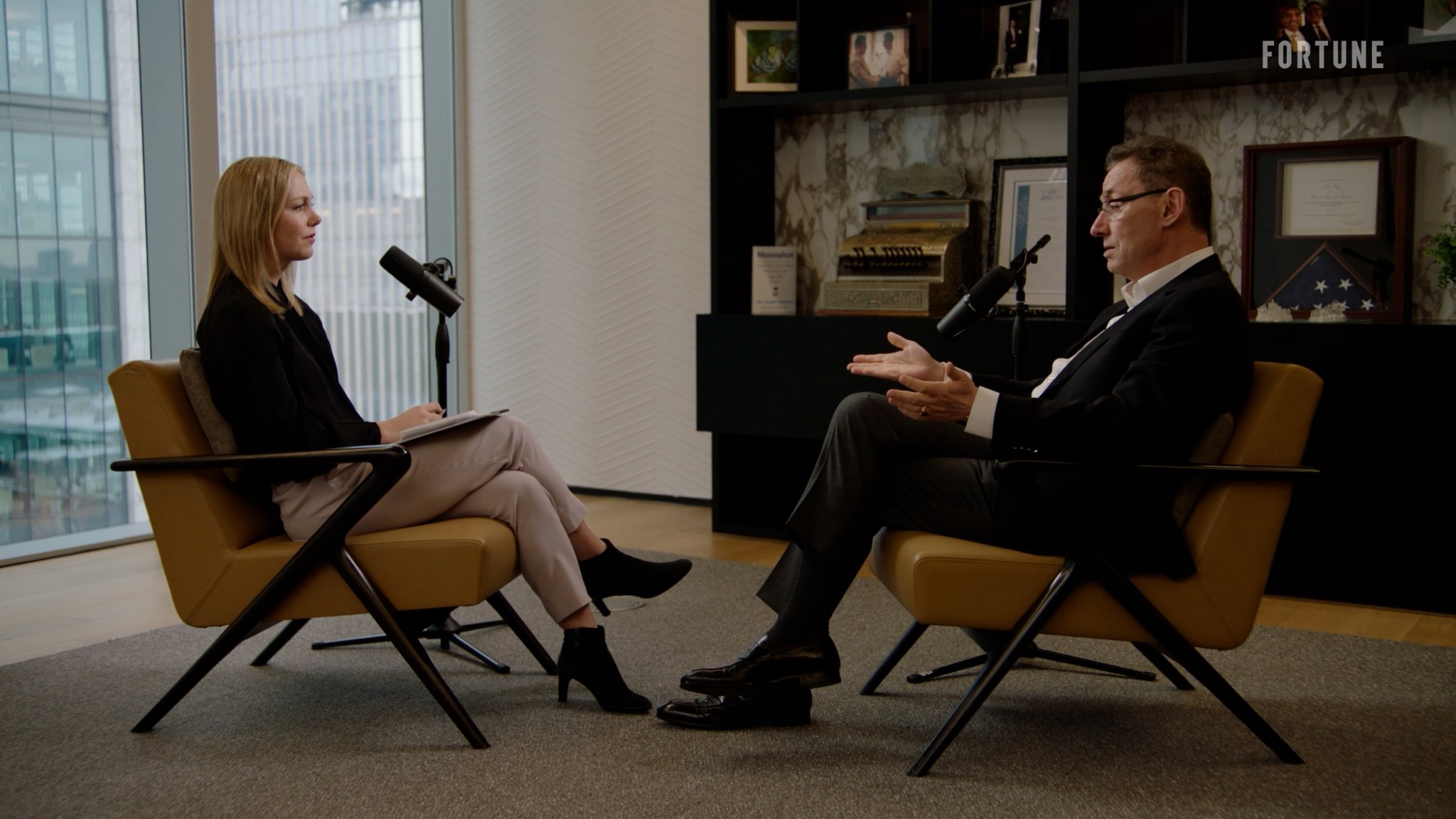
After leading Pfizer through the frantic race to develop the first FDA-approved COVID-19 vaccine, CEO Albert Bourla has set his sights on a new, arguably more difficult moonshot. “We saved the world from Covid, now we’ll save the world from cancer,” Bourla told Fortune Editor-in-Chief Alyson Shontell, outlining the company’s massive pivot toward oncology following the pandemic.
This ambition is backed by a historic reallocation of capital. Pfizer reinvested its pandemic-era windfalls into a $23 billion spending spree in 2023, targeting new business development opportunities to secure the company’s future.
In an appearance on Fortune‘s Titans and Disruptors of Industry video podcast, Bourla talked about the triumphs and challenges of navigating the pharmaceutical giant through the pandemic and what is shaping up afterward. Describing 2023 as a “very difficult period for me,” Bourla told Shontell that he believes “the winners in life are differentiated from the losers in life because the winners never fall. The winners always stand up again.”
The post-Covid reality
The urgency behind this pivot is driven by financial necessity, Bourla said. While the pandemic rocketed Pfizer to record heights—reaching $100 billion in sales with COVID-related revenues hitting $56 billion in 2022—the decline was precipitous. By 2023, COVID-related revenues had plummeted to approximately $12 billion, significantly impacting the company’s stock price.
Simultaneously, Bourla faces a looming “patent cliff” beginning in 2026, when Pfizer will lose exclusivity on several lucrative drugs. To weather this storm, Bourla is betting the house on scientific innovation rather than consumer healthcare, a transition he began even before the pandemic.
The $23 billion bet
Cancer is at the core of this strategy. Bourla confirmed that Pfizer now orients more than 40% of its annual R&D spend toward oncology. The goal is not just treatment, but drastic improvement in outcomes.
“We had three or four studies … in the last two years that we were able in massive cancers in bladder cancer in prostate to double the survival rate,” Bourla noted, highlighting progress in colorectal cancer as well.
Bourla admitted that, unlike the binary moment of a vaccine launch, success in oncology will be cumulative. “It’s not going to be as dramatic, like in Covid,” where you don’t have a vaccine one day, and then you do the next morning. Noting that science has been fighting cancer for decades, he predicted that “improvements will be incremental,” but he does envision a future where many cancers are cured or managed as chronic conditions like diabetes currently are.
Speed and Artificial Intelligence
To achieve these goals, Pfizer is applying the “time is life” philosophy that defined its pandemic response. Bourla credited a shift in corporate culture where employees stopped arguing about why things were impossible and started finding solutions instead.
He said he discovered during the pandemic that “when you ask people to do things that they perceived [as] difficult or impossible, the first thing that they do it is to use all their brain power to develop the arguments, articulated in a PowerPoint presentation, why [they] cannot be made. That’s always the case.”
Technology is playing a pivotal role in this acceleration. Bourla highlighted how AI and machine learning cut the development time for the Covid treatment Paxlovid from four years to just four months. By using computers to design molecules rather than relying solely on traditional wet-lab testing, Pfizer synthesized fewer candidates but achieved higher success rates.
But, as he told his team, “You need to use ingenuity. Don’t try to convince me why you can’t, don’t try to convince me why you cannot make it. Try to find ways to make it happen.” Once your employees understand you’re making a serious request, he said, they stop worrying about how to convince you that they can’t do it, and they find ways to overcome obstacles and make it happen.
Diversifying the portfolio
Beyond cancer, Pfizer is aggressively pursuing the obesity market. After an internal oral GLP-1 candidate failed due to liver toxicity, the company pivoted to acquire Metsera, a clinical-stage biotech company. Bourla agreed with Shontell that the acquisition process was a Game of Thrones-style bidding war with rival Novo Nordisk, which Pfizer won after a tense negotiation. He described “10 days of wildness,” with many moments thinking they’d lost the deal, but his mother’s voice came to him, saying “we will not lose it.” He said Pfizer staff was “devastated” at the prospect of not winning Metsera, with so much work going into developing protocols for the products they would acquire.
Bourla told Shontell about the famous story of his mother, a Holocaust survivor who was nevertheless “extremely optimistic in life.” Saying he got his “personality drive” from her, Bourla explained that she thought “every obstacle is an opportunity to do something better, and she would think that nothing is impossible.” He described how she was slated to be executed during World War II and only survived because a Christian relative bribed authorities, saving her life “at the last moment.” She could have chosen to be filled with hate afterward, but instead, “she was always bringing to me [the message that] life is miraculous.” He said he tries to remember that every day in his leadership of Pfizer.
Navigating politics and pricing
Pfizer’s strategic shift is also occurring amid intense political pressure. Bourla revealed that he reached a 10-day deal with the Trump administration to lower drug prices, addressing the “itch” the President-elect has about Americans paying more for medicines than people in other nations. This move is intended to stabilize the industry against the threat of tariffs and restore confidence in funding for the biotech sector.
Despite the financial and political headwinds, Bourla remains steadfast in his philosophy that “winners never fall… winners always stand up again.” Drawing on the resilience of his mother in his mind, Bourla insisted that with the right team and optimism, “nothing is impossible.” Not even saving the world from cancer.
Watch the full episode on YouTube. The interview transcript can be found here.
C-Suitechief executive officer (CEO),Fortune 500: Titans and Disruptors of Industry,Pfizer,Pharmaceutical Industry#Pfizer #CEOs #billion #postCOVID #bet #saving #world #cancer1769800125

